






Partnership Case Studies

One partnershipchanges the equation.

FireSquid turns trusted networks into scalable, one-to-many growth.

Build my partner program

BUILT TO SCALEPartnership strategy and execution, made visible

SourcingCompetitiveProduct QAAppointmentsWork PulseOperations

Featured Case Studies

Logistics & Supply ChainView Project
Atlas Freight

Atlas Freight turns supply-chain partnerships into a pipeline of regional shipping opportunities. Atlas had capacity to move more freight, but direct sales produced uneven deal flow across its target regions. Empty miles and missed backhaul opportunities left equipment and carrier capacity underutilized, creating revenue that could not be recovered once it passed. That made growth harder to forecast and margins harder to protect. FireSquid identified and introduced enterprise shippers, 3PL and warehouse operators, customs brokers and freight forwarders, and supply-chain technology partners. Atlas then developed those relationships into a one-to-many channel for recurring lanes, overflow capacity, new facilities, and regional shipping opportunities.

B2B SaaSView Project
Meridian Cloud

Meridian turns implementation partnerships into a pipeline of SaaS customers. Meridian’s direct sales motion often reached operations teams after consultants had already redesigned workflows and selected the surrounding technology stack. Arriving outside the implementation window increased acquisition cost, slowed annual recurring revenue growth, and made Meridian harder to embed in the customer’s operating model. FireSquid identified and introduced CRM implementation partners, customer-success consultancies, RevOps firms, and BPO providers. Meridian then developed those relationships into a one-to-many channel reaching companies redesigning onboarding, customer operations, and recurring service workflows.

Insurtech & Financial ServicesView Project
Harborline

Harborline turns broker partnerships into a scalable commercial insurance channel. Commercial insurance demand appears at specific moments—when businesses hire, borrow, expand, or renew—but Harborline’s direct acquisition motion often reached owners outside those buying windows. Missed timing increased acquisition cost, slowed policy growth, and allowed trusted incumbent advisors to direct coverage decisions elsewhere. FireSquid identified and introduced accounting firms, payroll and HR providers, commercial lenders, and business advisory firms. Harborline then developed those relationships into a one-to-many channel reaching businesses at the moments they hire, borrow, expand, and need new or additional coverage.

TechnologyView Project
Vertex Systems

Vertex turns partner relationships into a pipeline of infrastructure projects. Vertex often entered infrastructure opportunities after customers had already shaped requirements and begun comparing vendors. That late access limited Vertex’s influence over the hardware plan, intensified price competition, and allowed earlier providers to capture valuable projects. FireSquid identified and introduced MSPs, cabling contractors, relocation firms, and telecom providers. Vertex then developed those relationships into a one-to-many channel reaching customers planning relocations, expansions, refreshes, and modernization projects.


ONE-TO-MANY

Selected Case Studies

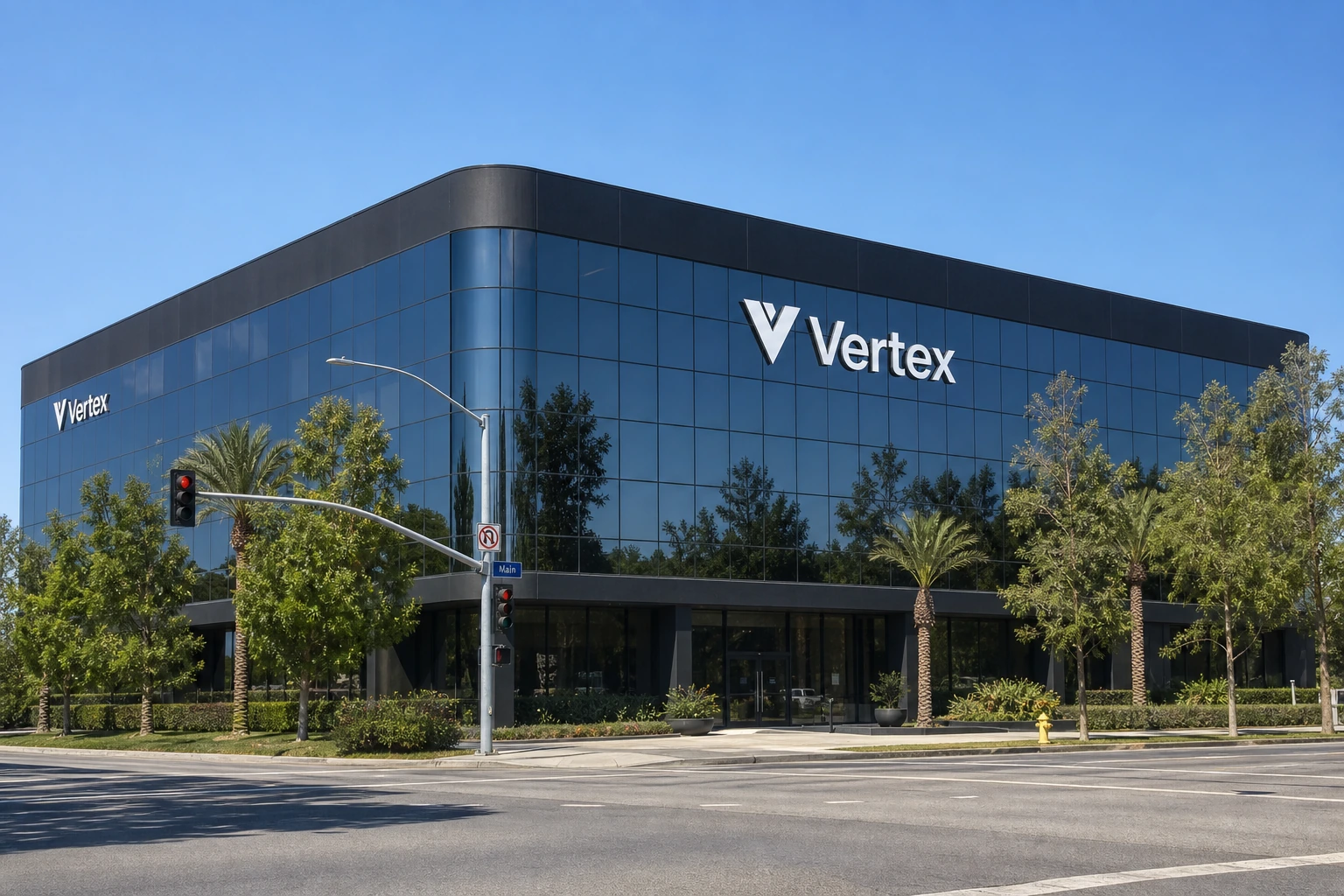
Vertex logo mounted on a modern glass technology headquarters
Vertex Systems

Vertex turns partner relationships into a pipeline of infrastructure projects

Vertex often entered infrastructure opportunities after customers had already shaped requirements and begun comparing vendors. That late access limited Vertex’s influence over the hardware plan, intensified price competition, and allowed earlier providers to capture valuable projects. FireSquid identified and introduced MSPs, cabling contractors, relocation firms, and telecom providers. Vertex then developed those relationships into a one-to-many channel reaching customers planning relocations, expansions, refreshes, and modernization projects.
Children exploring a BrightPath Learning activity on an interactive table
BrightPath Learning

BrightPath turns workforce partnerships into a steady pipeline of qualified learners

BrightPath’s instructors, curriculum, and cohort capacity were already funded, but enrollment arrived unevenly through costly one-student-at-a-time acquisition. Unfilled seats disappeared when a cohort began, leaving tuition revenue unrealized while delivery costs remained fixed. FireSquid identified and introduced staffing firms, workforce boards, employers, and career-transition organizations. BrightPath then developed those relationships into a one-to-many channel reaching people actively seeking the skills needed for their next role.

Canvas North UI and UX curriculum with a central course interface and design tools
Canvas North

Canvas North turns trusted agency relationships into a pipeline of digital product work

Canvas North faced a market crowded with low-cost overseas contractors and undifferentiated project bids. Competing late in the buying process pushed conversations toward hourly rates, compressed margins, and made billable-team utilization swing between overload and bench time. FireSquid identified and introduced branding agencies, digital marketing firms, managed IT providers, and technology consultancies. Canvas North then developed those relationships into a scalable channel for website redesigns, application builds, integrations, and digital transformation projects.

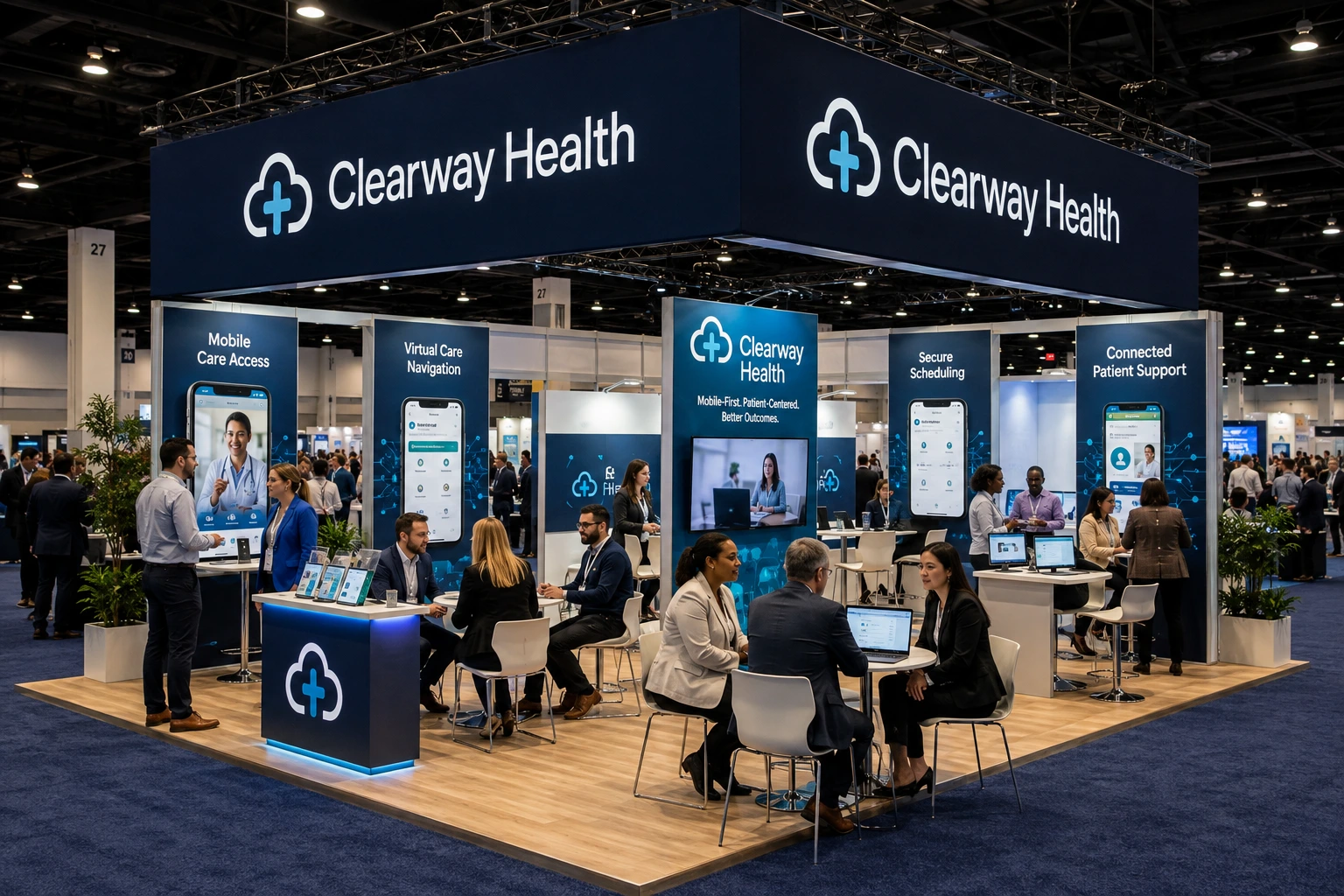
Clearway Health mobile-care pavilion at a busy healthcare technology conference
Clearway Health

Clearway turns trusted healthcare partnerships into a stronger specialist referral network

Clearway’s specialist network had available care capacity, but fragmented referral paths made qualified patient demand inconsistent. Every referral that stalled or leaked outside the network delayed access for patients and left valuable specialist capacity underused. FireSquid identified and introduced benefits navigation platforms, primary care groups, health plans and TPAs, and benefits consultants. Clearway then developed those relationships into a one-to-many referral channel connecting entire member populations to specialist care.

Atlas Freight operators coordinating regional logistics from a glass control room
Atlas Freight

Atlas Freight turns supply-chain partnerships into a pipeline of regional shipping opportunities

Atlas had capacity to move more freight, but direct sales produced uneven deal flow across its target regions. Empty miles and missed backhaul opportunities left equipment and carrier capacity underutilized, creating revenue that could not be recovered once it passed. That made growth harder to forecast and margins harder to protect. FireSquid identified and introduced enterprise shippers, 3PL and warehouse operators, customs brokers and freight forwarders, and supply-chain technology partners. Atlas then developed those relationships into a one-to-many channel for recurring lanes, overflow capacity, new facilities, and regional shipping opportunities.

PineBridge IT engineers monitoring infrastructure change beside a modern data center
PineBridge IT

PineBridge turns cloud and security partnerships into a pipeline of managed IT clients

PineBridge’s recurring-revenue model depended on winning managed IT clients one business at a time. Rising prospecting costs forced experienced sellers to spend too much time creating demand, putting a practical ceiling on monthly recurring revenue growth. FireSquid identified and introduced cybersecurity firms, cloud and software providers, telecom agents, and fractional CIOs. PineBridge then developed those relationships into a one-to-many channel for managed IT, cloud migrations, infrastructure upgrades, and recurring support contracts.

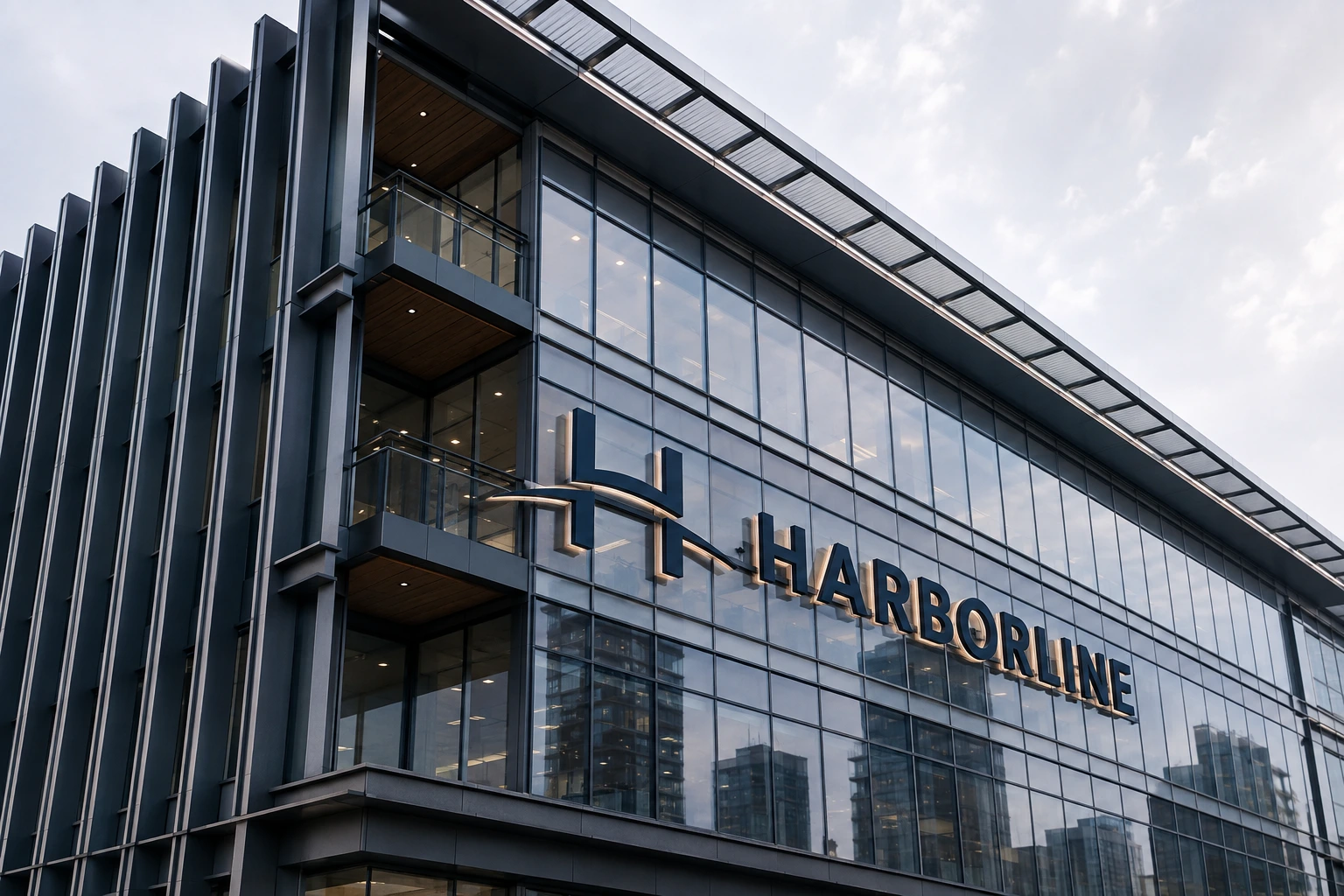
Harborline glass headquarters in a bright modern city district
Harborline

Harborline turns broker partnerships into a scalable commercial insurance channel

Commercial insurance demand appears at specific moments—when businesses hire, borrow, expand, or renew—but Harborline’s direct acquisition motion often reached owners outside those buying windows. Missed timing increased acquisition cost, slowed policy growth, and allowed trusted incumbent advisors to direct coverage decisions elsewhere. FireSquid identified and introduced accounting firms, payroll and HR providers, commercial lenders, and business advisory firms. Harborline then developed those relationships into a one-to-many channel reaching businesses at the moments they hire, borrow, expand, and need new or additional coverage.

Junction Market urban operations hub with active courier service
Junction Market

Junction turns property partnerships into a pipeline of local service requests

Junction’s marketplace needed enough recurring local demand to keep verified service professionals active and available. When requests arrived sporadically, providers sat idle or left the platform, customers waited longer, and weak marketplace liquidity suppressed repeat usage and transaction revenue. FireSquid identified and introduced property management companies, multifamily operators, home warranty providers, and insurance claims organizations. Junction then developed those relationships into a one-to-many channel generating recurring maintenance, repair, turnover, and property-service demand.

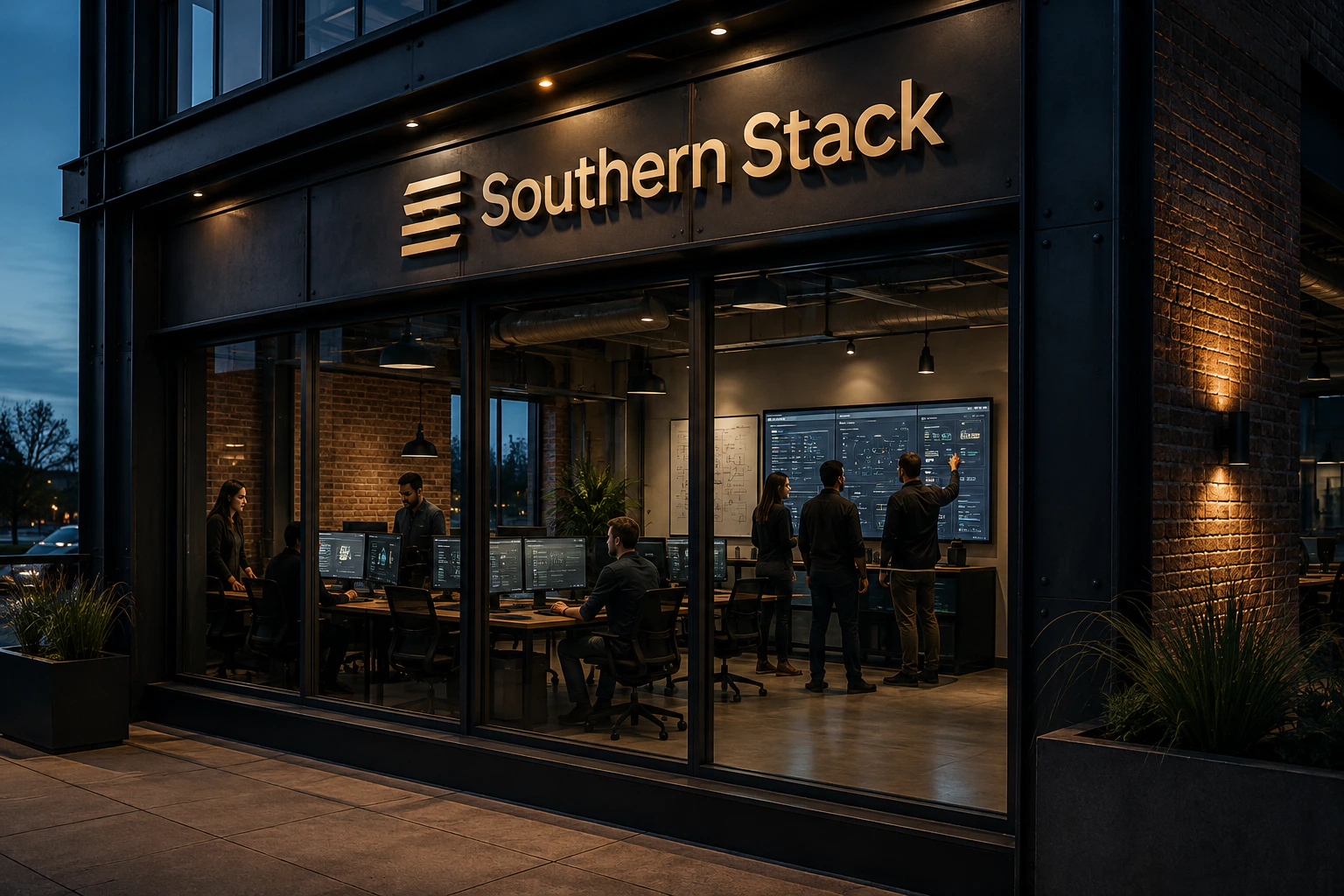
Southern Stack engineering team working inside a blue-hour studio
Southern Stack

Southern Stack turns advisory partnerships into a pipeline of modernization projects

Southern Stack carried expensive engineering capacity between large, irregular software projects. That feast-or-famine pipeline created costly bench time, complicated hiring decisions, and made project revenue difficult to forecast even when the market for modernization was strong. FireSquid identified and introduced private-equity firms, enterprise software vendors, M&A integration advisors, and business process outsourcing firms. Southern Stack then developed those relationships into a scalable channel for portfolio-company modernization, post-acquisition integrations, custom applications, and automation projects.

Fieldstone Commerce team packing orders in a premium fulfillment studio
Fieldstone Commerce

Fieldstone turns complementary brands and communities into a scalable retail channel

Fieldstone’s consumer growth depended heavily on paid acquisition and seasonal demand while premium inventory continued tying up working capital. Rising advertising costs and uneven order volume slowed inventory turns, increased markdown risk, and made growth less profitable. FireSquid identified and introduced industry sales reps, corporate gifting platforms, employee rewards companies, and hospitality procurement groups. Fieldstone then developed those relationships into a one-to-many channel for wholesale accounts, recurring gift programs, employee rewards, and large-volume purchases.

Lattice AI research team inside a distinctive machine-learning lab
Lattice AI

Lattice turns technology partnerships into a pipeline of operational AI projects

Lattice maintained specialized human expertise, but AI training and evaluation programs arrived in large, irregular waves and were concentrated among too few buyers. Gaps between programs left expert capacity underused, while customer concentration made revenue vulnerable to a single lab changing budgets or model priorities. FireSquid identified and introduced AI labs, foundation-model companies, enterprise AI teams, and AI research organizations. Lattice then developed those relationships into a scalable channel for expert data generation, model evaluation, human feedback, and AI training programs.

Solstice Energy solar campus at golden hour with engineers at work
Solstice Energy

Solstice turns property and energy partnerships into a pipeline of commercial solar projects

Commercial solar projects depended on narrow capital-planning, roof-replacement, and incentive windows that Solstice often discovered too late. Missing those windows pushed viable projects into another budget year, lengthened sales cycles, and left installation crews facing an uneven backlog. FireSquid identified and introduced commercial real estate owners, property management groups, commercial roofing companies, and energy procurement firms. Solstice then developed those relationships into a one-to-many channel for portfolio-wide solar, battery storage, roof-replacement, and energy-upgrade projects.

ForgePoint engineers inspecting a turbine in an advanced manufacturing hall
ForgePoint

ForgePoint turns industrial partnerships into a pipeline of plant modernization projects

ForgePoint frequently encountered plant projects after engineers had specified equipment and approved vendor lists. Entering after the specification was written reduced technical influence, forced sales teams into price competition, and weakened returns on a long, expensive industrial sales cycle. FireSquid identified and introduced manufacturers’ reps, industrial distributors, systems integrators, and engineering and EPC firms. ForgePoint then developed those relationships into a one-to-many channel for plant expansions, automation upgrades, equipment replacements, and modernization projects.

Sentinel Square operators coordinating security from a command center
Sentinel Square

Sentinel Square turns property partnerships into a pipeline of security projects

Physical security decisions were often embedded in construction drawings and facility plans before Sentinel entered the conversation. Late-stage bids left little room to shape system design, increased change-order pressure, and reduced opportunities to attach monitoring and maintenance revenue. FireSquid identified and introduced electrical contractors, commercial property managers, general contractors, and low-voltage/structured-cabling firms. Sentinel then developed those relationships into a one-to-many channel for new construction, tenant buildouts, facility expansions, and security modernization projects.

Signal House creative team producing a campaign in a modern studio
Signal House

Signal House turns trusted advisory relationships into a pipeline of growth engagements

Signal House relied on competitive pitches and short-lived campaigns to keep its team billable. That feast-or-famine motion consumed senior strategy time before revenue was secured, created utilization gaps, and placed agency margins under constant pressure. FireSquid identified and introduced private-equity operating teams, fractional CMOs, web development agencies, and branding firms. Signal House then developed those relationships into a one-to-many channel for portfolio-company growth initiatives, brand launches, website rollouts, and ongoing demand-generation programs.

Crosswind Transit operations hub beside an active passenger platform
Crosswind Transit

Crosswind turns workplace partnerships into a pipeline of new transportation programs

Crosswind’s route economics depended on dense, recurring passenger demand, yet new programs arrived as isolated contracts across disconnected locations. Thin routes, deadhead miles, and uneven vehicle utilization increased operating cost per passenger and made fleet expansion difficult to justify. FireSquid identified and introduced commercial real estate developers, corporate relocation and site-selection firms, workplace and facilities management companies, economic development organizations, and large-scale event operators. Crosswind then developed those relationships into a one-to-many channel for employee shuttles, new-site launches, campus transportation, event mobility, and recurring transportation programs.

Keystone IT team monitoring infrastructure beside a secure server room
Keystone IT

Keystone turns trusted business advisors into a pipeline of managed IT clients

Keystone’s sales team recreated the same prospecting and trust-building effort for every small and midsize business it pursued. High acquisition effort on relatively modest contracts stretched payback periods and limited how efficiently Keystone could add recurring managed-service revenue. FireSquid identified and introduced telecom and UCaaS agents, cyber-insurance brokers, cloud and Microsoft partners, and commercial relocation firms. Keystone then developed those relationships into a one-to-many channel for managed IT, cybersecurity, cloud migrations, and recurring technology contracts.

Relay Networks operations center overlooking a telecom tower at dusk
Relay Networks

Relay turns infrastructure partnerships into a pipeline of business connectivity projects

Connectivity vendors are often selected early in a relocation or new-site schedule, but Relay frequently discovered those projects after procurement had begun. Late awareness created rushed installations, weakened negotiating position, and caused high-value multi-location contracts to go to incumbent carriers. FireSquid identified and introduced MSPs, structured cabling contractors, commercial relocation firms, and technology and telecom agents. Relay then developed those relationships into a one-to-many channel for new locations, relocations, network upgrades, and multi-site connectivity projects.

Meridian Cloud team collaborating in a bright onboarding studio
Meridian Cloud

Meridian turns implementation partnerships into a pipeline of SaaS customers

Meridian’s direct sales motion often reached operations teams after consultants had already redesigned workflows and selected the surrounding technology stack. Arriving outside the implementation window increased acquisition cost, slowed annual recurring revenue growth, and made Meridian harder to embed in the customer’s operating model. FireSquid identified and introduced CRM implementation partners, customer-success consultancies, RevOps firms, and BPO providers. Meridian then developed those relationships into a one-to-many channel reaching companies redesigning onboarding, customer operations, and recurring service workflows.

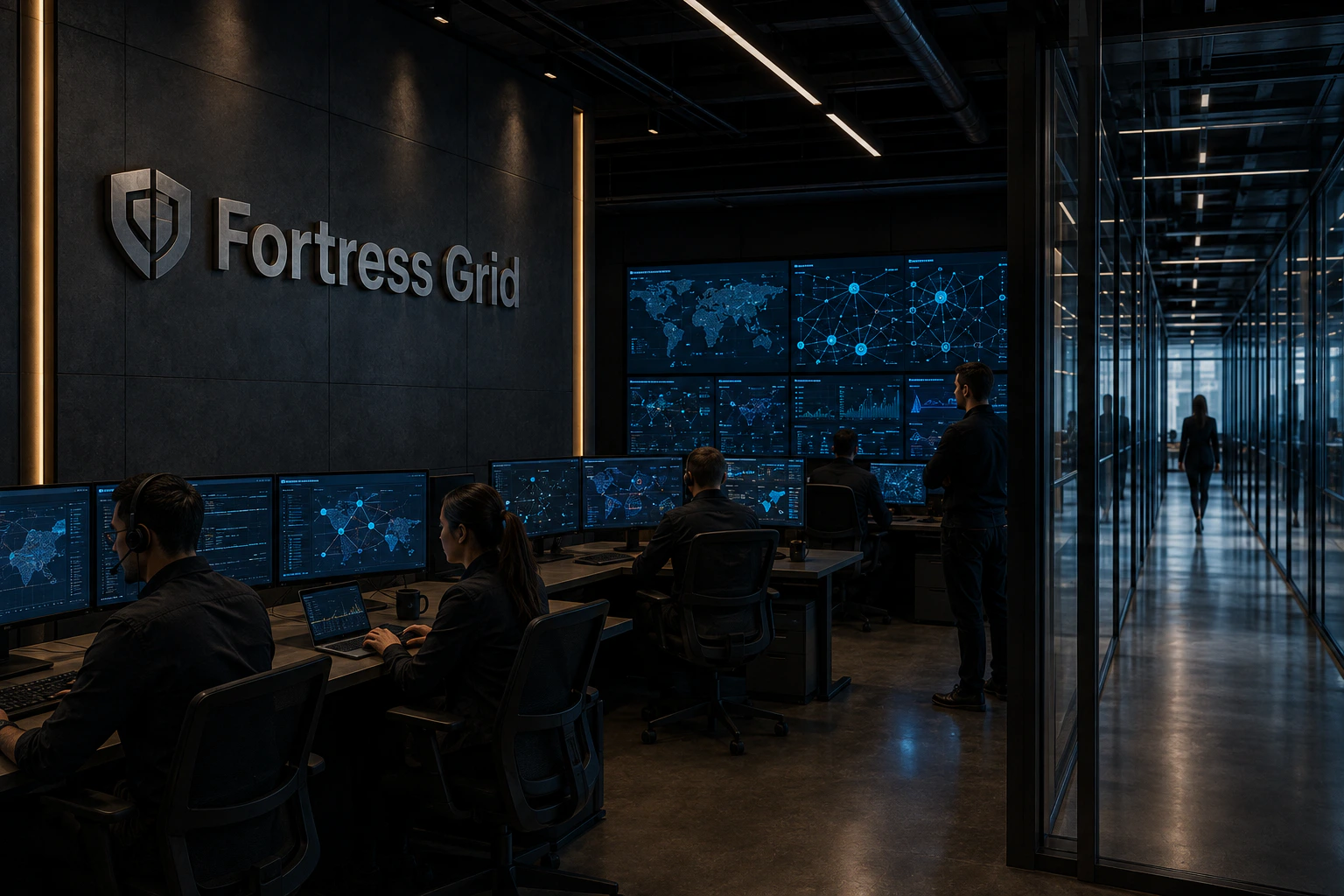
Fortress Grid analysts monitoring network defense in a secure operations center
Fortress Grid

Fortress Grid turns trusted risk advisors into a pipeline of cybersecurity opportunities

Fortress Grid sold into a trust-sensitive market where buyers often waited for an audit, insurance demand, or security incident before acting. Reaching companies after urgency peaked lengthened sales cycles, forced expensive credibility-building, and left security-operations capacity exposed to uneven contract growth. FireSquid identified and introduced cyber-insurance brokers, compliance and audit firms, MSPs, security integrators, and incident-response firms. Fortress Grid then developed those relationships into a one-to-many channel reaching companies facing insurance requirements, compliance mandates, security incidents, and cybersecurity modernization needs.

PeopleLane team leading an employee onboarding workshop
PeopleLane

PeopleLane turns HR partnerships into a pipeline of growing employers

Employers reconsider HR systems during narrow moments such as rapid hiring, payroll change, or benefits renewal, but PeopleLane’s broad outbound motion struggled to identify those windows. Selling outside the trigger increased acquisition cost, prolonged evaluations, and slowed subscription growth in a crowded HR technology market. FireSquid identified and introduced benefits brokers, PEOs, payroll providers, and HRIS/HCM implementation partners. PeopleLane then developed those relationships into a one-to-many channel reaching employers hiring, scaling, replacing HR systems, and modernizing workforce operations.

LedgerLight analysts working in a refined financial verification hub
LedgerLight

LedgerLight turns financial-advisor relationships into a pipeline of growing businesses

Small and midsize businesses rarely replace financial systems without a trusted advisor or a major cash-flow event guiding the decision. LedgerLight’s direct outreach had to overcome that trust barrier account by account, raising acquisition cost and slowing the payment volume that drives platform economics. FireSquid identified and introduced accounting and bookkeeping firms, fractional CFO firms, commercial lenders, and ERP/accounting-system implementation partners. LedgerLight then developed those relationships into a one-to-many channel reaching businesses upgrading payments, managing growth capital, and modernizing financial operations.

Verdant Systems engineers inspecting equipment in a cleantech greenhouse
Verdant Systems

Verdant turns building partnerships into a pipeline of efficiency retrofit projects

Efficiency retrofits competed for capital against every other building priority, and Verdant often reached owners after annual budgets were allocated. Missed capital cycles delayed viable projects, produced an uneven backlog, and left specialized project teams underutilized while avoidable energy costs continued. FireSquid identified and introduced ESCOs, commercial property management firms, mechanical and HVAC contractors, and commercial real estate owners and operators. Verdant then developed those relationships into a one-to-many channel for portfolio-wide efficiency upgrades, HVAC modernization, building controls, and capital-improvement projects.

A marble strategy consultant arranging an operating model in a boardroom
Aperture Advisory

Aperture turns trusted advisor relationships into a pipeline of transformation engagements

Aperture depended heavily on founder relationships to discover high-stakes transformation mandates during short post-acquisition and leadership-change windows. When those introductions arrived late or unpredictably, senior consultants sat between engagements and valuable advisory revenue shifted to firms already inside the transaction ecosystem. FireSquid identified and introduced private-equity operating teams, M&A advisory firms, investment banks, and executive search firms. Aperture then developed those relationships into a one-to-many channel for post-acquisition integration, leadership transitions, operational restructuring, and growth transformation engagements.